
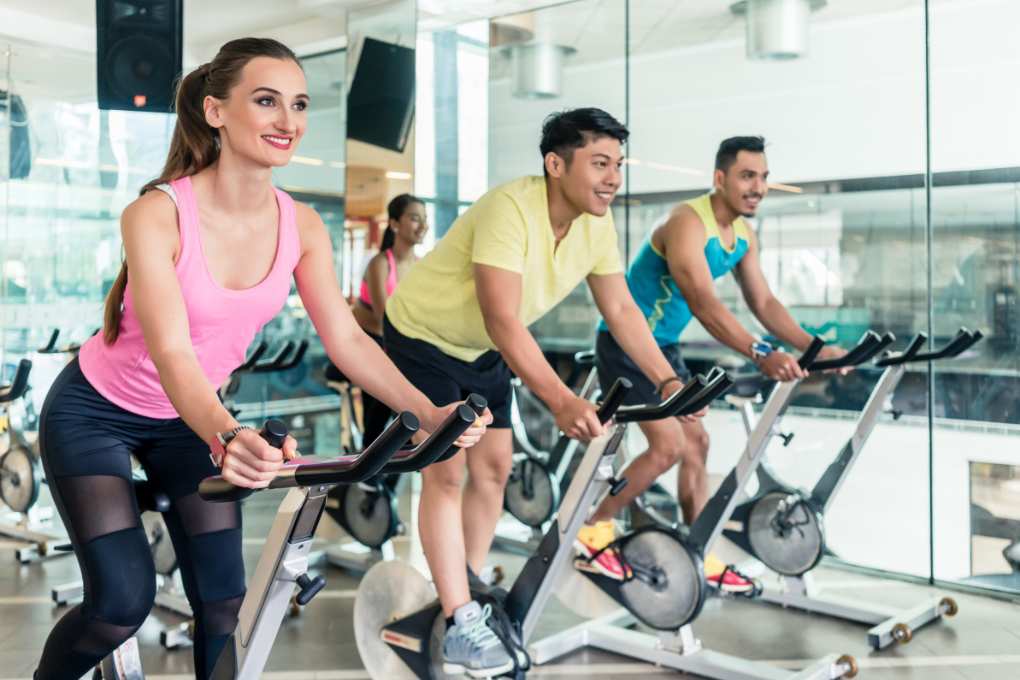
Pedal power: a high-intensity workout that’s both fun and effective. It strengthens bones and joints without putting too much stress on them, making it a great option for those with joint issues or injuries.
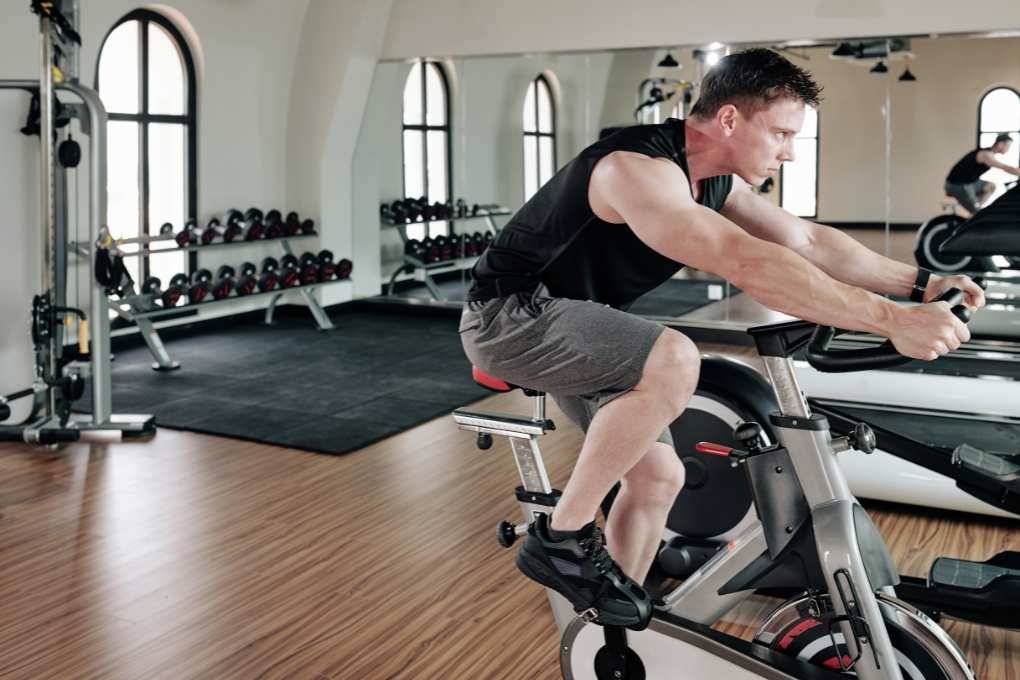
Spinning, also known as indoor cycling, is a well-liked fitness activity that offers a great workout and burns calories in a group setting under the guidance of an experienced instructor.
1. Warm-up
The warm-up phase of an indoor cycling workout is important to avoid injury and improve performance. Whether you are riding a group class or doing an individual workout, it is important to ride at a low intensity for several minutes to allow your body to adjust to the workload before increasing intensity.
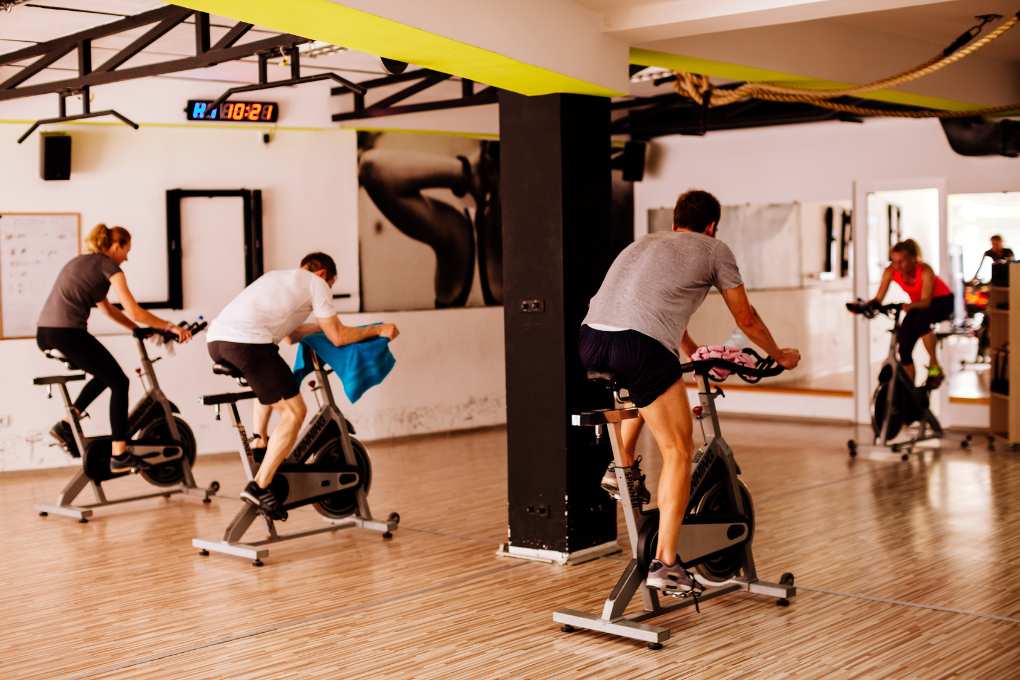
This hour-long endurance workout includes cadence drills and form sprints. It improves oxygen delivery and utilization, increases muscular resistance to fatigue, and builds aerobic fitness with minimal required recovery time. It is a perfect workout for the base season and beyond.
2. Cool-down
Indoor cycling is an ideal low-impact exercise to increase muscle strength and endurance. It also supports enhanced calorie burning both during and after a workout, making it a helpful tool for weight loss and management.
Week 2 Tip: Focus on pedaling mechanics during the sprint workouts this week. This will prepare you for the work ahead as you move into higher levels of Sweet Spot training, improving your ability to repeatedly operate near your FTP.
Cycling is a total-body workout that works many different muscles and can help you build leg strength and power. It also strengthens your core and helps improve balance and posture.
3. Stroke
A smooth pedal stroke is key to cycling efficiency. This workout focuses on developing the push phase of the stroke by eliminating the dead spots at the top (noon) and bottom (6 o’clock) positions of each revolution.
Each of these 15-second sprints requires full-gas effort, cranking out your peak power for the entire interval. If you have knee issues, start with a lower gear and shorter intervals to avoid injury.
This training zone lies between tempo and threshold, boosting your aerobic capacity without wearing down your legs as much. It’s perfect for breakaway riders and time trial specialists.
4. Legs
The leg phase of your workout is where most of the cycling action occurs. This is where you build power, speed, and endurance. Pedal with fast, fluid movements to build leg speed and pedaling efficiency. This requires the quadriceps, the powerful muscles at the front of your thighs, as well as the hamstrings and glutes.
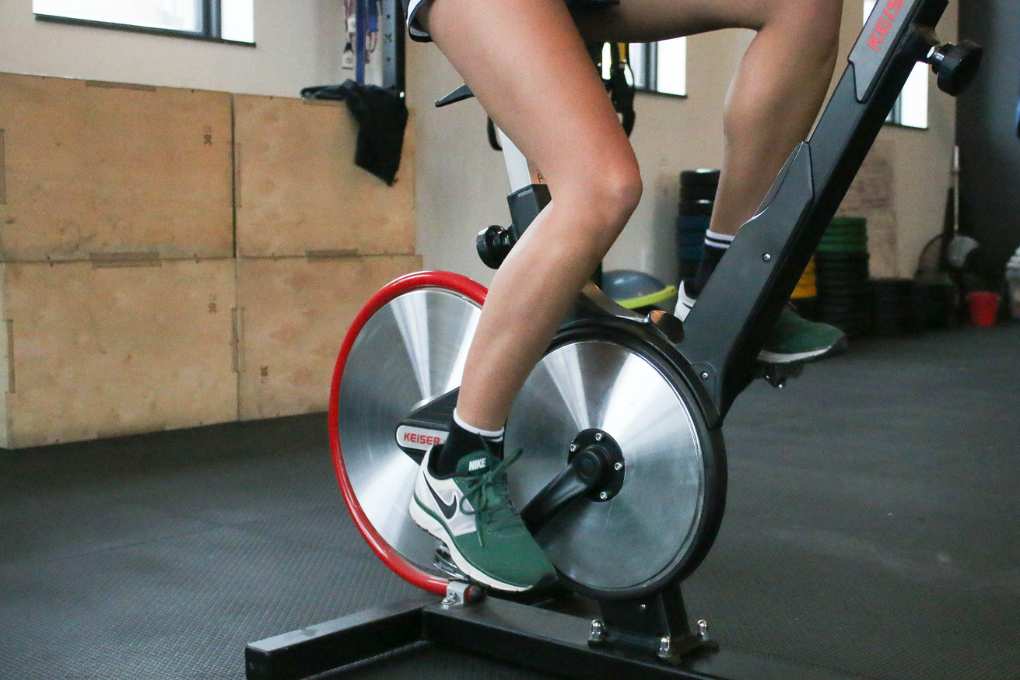
This workout simulates racing conditions and builds the power needed for repeated surges. It includes short acceleration intervals where you push hard for 30 seconds in high gear, then spin lightly to recover for 20 seconds.
5. Core
The downward pushing and upward pulling motions of cycling build muscle tone in your quads, calves, hamstrings, and glutes. This tones and tones your legs for a leaner, more sculpted look and reduces cellulite.
Your upper body is also engaged when you stand up to ride on an incline or increase resistance. This helps to strengthen your core and promote balance.
The total-body workout of indoor cycling can be a great way to get in shape without the hassle of venturing outside and dealing with unpredictable weather conditions. However, it’s important to incorporate other types of exercise into your routine for a well-rounded fitness experience.
6. Arms
A true test of leg and arm strength, this workout uses a mixture of aerobic and anaerobic efforts. The ‘over’ intervals force full-on acceleration every couple of minutes, and the ‘under’ intervals require steady pedaling at an elevated wattage to prepare for the next over.
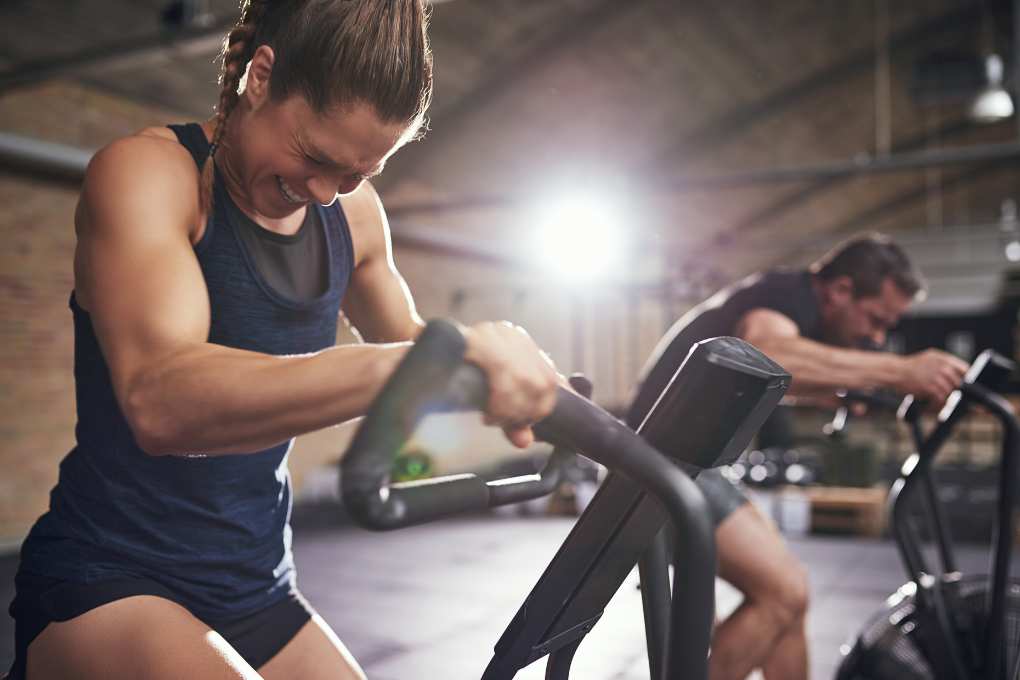
Whether you’re new to cycling or a seasoned cyclist training for an event, indoor cycling is an excellent option for improving your cardiovascular fitness and building strength. Just remember to listen to your body and don’t push yourself too hard, or you could experience a severe injury.
7. Endurance
During the endurance phase of indoor cycling workouts, you will work your legs, glutes, and core. The instructor will use music to guide you through various pedaling styles and intensity levels. For example, they may play an upbeat song while you pedal quickly up a steep hill. Then they may play a slower song while you slow down to catch your breath.
This mix of high-intensity intervals and endurance cycling builds cardiovascular, muscular, and anaerobic endurance, making you fitter and faster. This type of training also supports enhanced calorie burning, helping you to maintain a healthy weight and reduce body fat.